|
Syria is the latest state to be caught up in the wave of uprisings that has been sweeping across the Arab world since December.
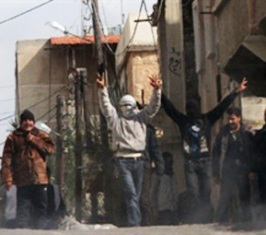
The protests, which began last Wednesday in the southern city of Daraa, have reportedly left over a hundred dead. In response to the demonstrations, the Syrian government promised a range of reforms on Thursday night, including “studying the emergency laws” that have been in place since 1963, and releasing prisoners detained during “recent events.” However, as of Friday afternoon, many protesters remained incarcerated and demonstrations appeared to be intensifying.
Friday’s demonstrations were the biggest yet, as protestors called through social networking groups such as Facebook for a “Day of Dignity” after midday prayers.
On the eve of these demonstrations, NOW Lebanon took to the streets of Beirut to gauge the reactions of Syrians living and working in Lebanon.
The majority of people interviewed expressed their support for the regime, praised the state’s social policies and criticized the protests.
“It won’t escalate because those demonstrating aren’t in the majority,” said one interviewee confidently. “I think it is just fashionable to demonstrate now; it’s a wave that everyone is riding on.”
“Everyone has a right to demand and to request things, but not in the manner in which they are doing it,” said another. “You don’t burn different departments or cars; you do it in a more civilized manner.”
When asked why some people were clearly opposed to the regime, a third interviewee said that they probably tried to get something out of the regime, failed and that now they are demonstrating out of bitterness.
“Life in Syria is very good” was a recurring statement by pro-government interviewees, who often went on to say that there is no unemployment where they are from. Yet when asked why, if the situation is so good in Syria, they came to Lebanon to seek employment, one Syrian man said, “Some people, like me, just want more money.”
Another changed his mind when confronted with this question. “I’m in Lebanon because of the situation in Syria,” he admitted, but refused to provide a more detailed answer, adding instead that he supports the demonstrations.
One Syrian opposition supporter claimed that his view is shared by all of his countrymen. When asked why others did not express this view when interviewed, he offered three explanations.
“Either they have family in Syria who may be employed by the authorities, they are afraid of being interviewed in case it is a setup, or they fear reprisals for speaking freely in Lebanon because of stories they heard.” He gave an example of people in a mosque in Lebanon who expressed anti-Syrian government views and were imprisoned upon return to Syria.
How representative his point of view is among Syrians is, of course, difficult to determine. Where interviewees clearly agreed was in their concern for the future of their country, although their reasons differed.
Government supporters voiced their opposition to demonstrations in light of ongoing tensions with Syria’s southwestern neighbor.
“Syria is at war with Israel” and “chaos in Syria will serve the interests of others,” were two commonly-cited reasons for those who opposed the demonstrations. Others hinted that outside agents had stirred up the demonstrations, echoing reports by state-run newspaper al-Watan, which reported on Tuesday that Israeli operatives were allegedly sending texts to citizens in order to create chaos through the protests.
Others worried that the situation in Syria might escalate into a civil war, similar to the current crisis in Libya.
“I want to see regime change without chaos, but I think Assad will do just like Qaddafi did, and the system won’t fall without burning the whole country,” one man said. Despite this, when asked whether he would join the demonstrations if he were in Syria, he grinned and said, “of course.”
But government supporters held strong to their views. “You could offer me any other president and I would still choose Assad,” said one. “I’m ready to go down fighting for him.”
For security reasons, the names and identifiable characteristics of the interviewees are not included in the article.
Nadine Elali contributed reporting to this article.
|